
Episode 2
Seattle
The Space Needle

Like several other global cities, a huge building towers over the city — in this case, Seattle. Its Space Needle rises above the town offering an incomparable view of the area. Yes, nowadays drones can fly higher but there's something imposing about rising into the sky and getting a 360º whirl around in a building that pretty much towers over the rest.
At 605 ft (184 m) high, the Space Needle was once the tallest building west of the Mississippi River. The tower is also 138 ft (42 m) wide and weighs 9,550 short tons (8,660 metric tons) as well. Considered an icon of the city, it has been designated a Seattle landmark. Located at 400 Broad Street in the Lower Queen Anne neighborhood, it was built for the 1962 World's Fair in the Seattle Center, which drew more than 2.3 million visitors. On April 19, 1999, the city's Landmarks Preservation Board designated the tower a historic landmark.
Elevators take visitors to an observation deck 520 ft (160 m) above ground in 41 seconds, which offers panoramic views of the downtown Seattle skyline, the Olympic and Cascade Mountains, Mount Rainier, Mount Baker, Elliott Bay, and various islands in Puget Sound — pretty much the whole region.
For decades, the hovering disk of the Space Needle was home to two restaurants 500 ft (150 m) above the ground: the Space Needle Restaurant, which was originally named Eye of the Needle, and Emerald Suite. These were closed in 2000 to make way for SkyCity, a larger restaurant featuring Pacific Northwest cuisine, which closed in 2017. In 1993, the elevators were replaced with new computerized versions. The new elevators descend at a rate of 10 mph (16 km/h).
A 1962 Seattle World's Fair poster showed a grand spiral entryway leading to the elevator that was ultimately omitted from final building plans.The main stairwell has 848 steps from the basement to the top of the observation deck.
The Museum of Pop Culture
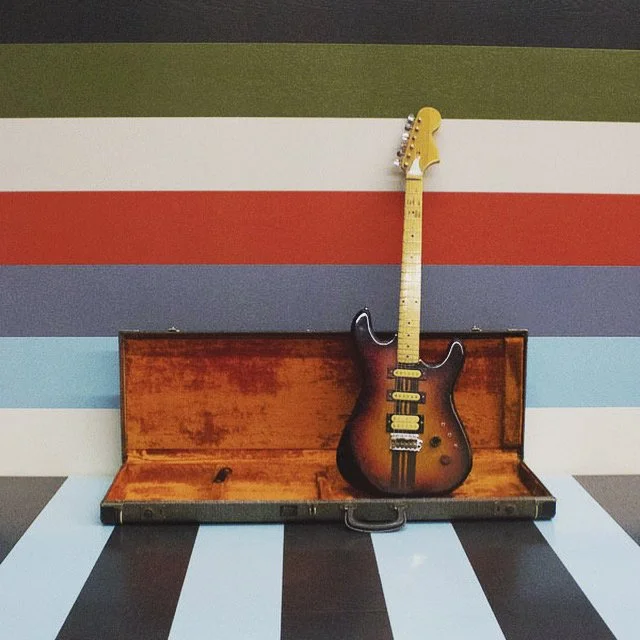
One of the most exciting and unique places to visit in Seattle, Washington, is The Museum of Pop Culture (or MOPOP) — a nonprofit space dedicated to contemporary popular culture. Created by the late Microsoft co-founder Paul Allen in 2000, it started as the Experience Music Project, which had been dedicated to Jimi Hendrix and his legacy. It has the world's largest collection of artifacts, hand-written lyrics, personal instruments, and original photographs celebrating the music and history of Seattle musician Hendrix and the band Nirvana.
Then, it was renamed as the Experience Music Project and Science Fiction Museum and Hall of Fame (or EMP|SFM), and later EMP Museum until November 2016. Throughout it has initiated many public programs including "Sound Off!" — an annual 21-and-under battle-of-the-bands that supports the all-ages scene — and "Pop Conference", an annual gathering of academics, critics, musicians, and music buffs.
In collaboration with the Seattle International Film Festival (SIFF), MOPOP presents the Science Fiction and Fantasy Short Film Festival which takes place every winter. Since 2007, the MOPOP has celebrated recording artists with its Founders Award given to artists for their noteworthy contributions. Exhibits and activities MOPOP is home to numerous exhibits and interactive activity stations as well as sound sculpture and various educational resources:
Housed in a 140,000-square-foot (13,000 m2) building designed by Frank O. Gehry, there are several galleries and the Sky Church, which features a Barco C7 black package LED screen, one of the largest indoor screens in the world. Exhibits covering pop culture, from the art of fantasy, horror cinema, and video games to science fiction literature and costumes from screen and stage. The MOPOP has organized dozens of exhibits, 17 of which have toured across the U.S. and internationally.
The Science Fiction Museum and Hall of Fame was founded by Paul Allen and his sister Jody Patton, and opened to the public on June 18, 2004. It incorporated the Science Fiction and Fantasy Hall of Fame which had been established in 1996. The museum was divided into several galleries with themes such as "Homeworld", "Fantastic Voyages", "Brave New Worlds", and "Them!", each displaying related memorabilia (movie props, first editions, costumes, and models) in large display cases, posters, and interactive displays. It was said about the museum that "From robots to jet packs to space suits and ray guns, it's all here."
Members of the museum's advisory board included Steven Spielberg, Ray Bradbury, James Cameron, and George Lucas. Among its collection of artifacts were Captain Kirk's command chair from Star Trek, the B9 robot from Lost in Space, the Death Star model from Star Wars, the T-800 Terminator and one of the domes from the film Silent Running. Although the Science Fiction Museum as a permanent collection was de-installed in March 2011, a new exhibit named Icons of Science Fiction opened as a replacement in June 2012. At this time the new Hall of Fame display was unveiled and the class of 2012 inducted.
The Science Fiction and Fantasy Hall of Fame was founded in 1996 by the Kansas City Science Fiction and Fantasy Society and the Center for the Study of Science Fiction (CSSF) at the University of Kansas (KU). The chairmen were Keith Stokes (1996–2001) and Robin Wayne Bailey (2002–2004). Only writers and editors were eligible for recognition and four were inducted annually, two deceased and two living. Each class of four was announced at Kansas City's annual science fiction convention, ConQuesT, and inducted at the Campbell Conference hosted by CSSF.
The Hall of Fame stopped inducting fantasy writers after 2004, when it became part of the Science Fiction Museum affiliated with the Museum of Pop Culture, under the name "Science Fiction Hall of Fame". Having inducted 36 writers in nine years, the organization began to recognize non-literary media in 2005. It retained the quota of four new members and thus reduced the annual number of writers. The 2005 and 2006 press releases placed new members in "Literature", "Art", "Film, Television and Media", and "Open" categories, one for each category.
In 2007 and 2008, the fourth inductee was placed in one of the three substantial categories.
Nominations are submitted by the public, but the selections are made by "award-winning science fiction authors, artists, editors, publishers, and film professionals".MOPOP restored the original name online during June 2013 and announced five new members, one daily, beginning June 17, 2013. The first four were cited largely or wholly for science fiction works, however the final one was J. R. R. Tolkien, who was "hailed as the father of modern fantasy literature".
Puget Sound & Pacific Ocean
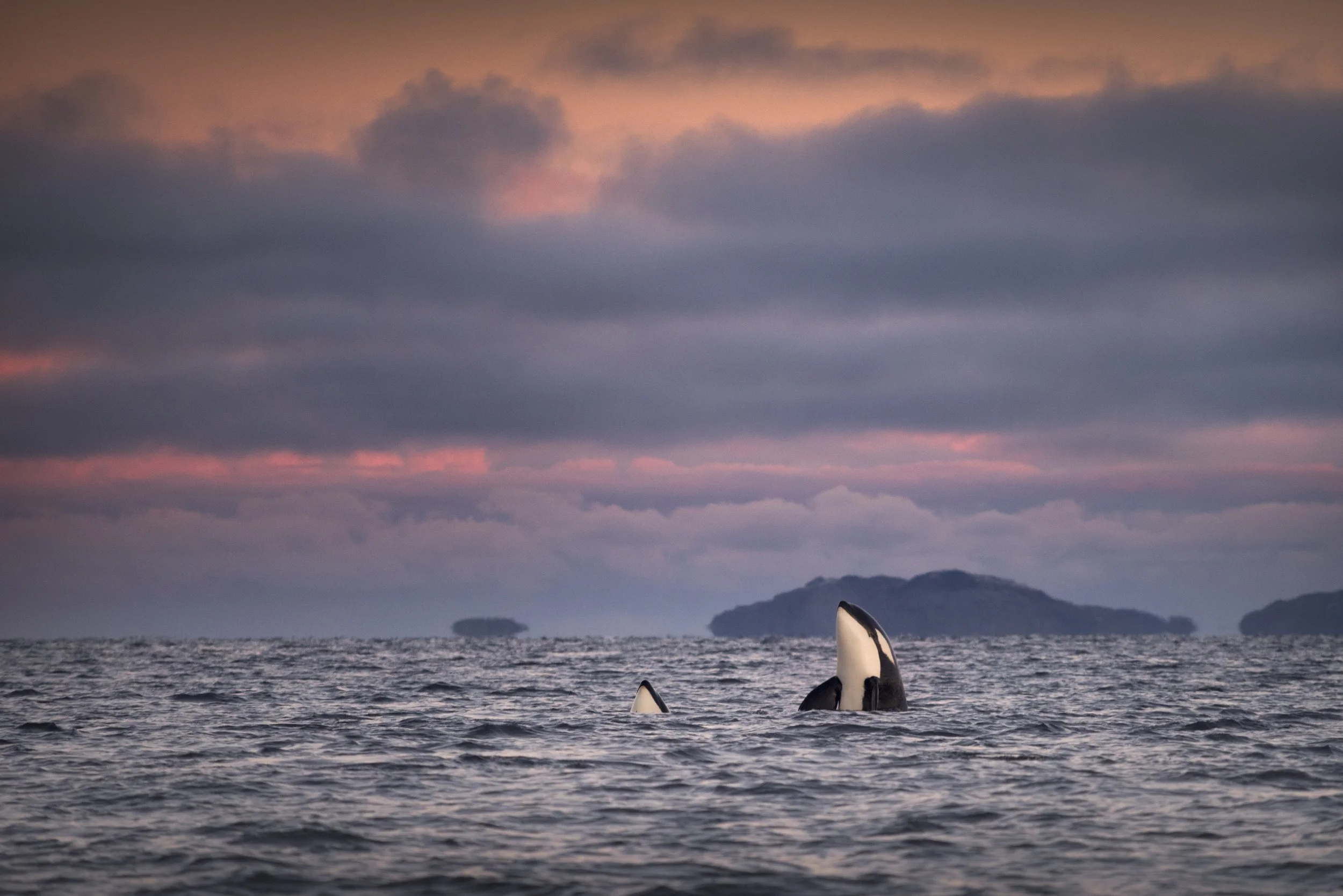
Puget Sound is a complex estuarine system of interconnected marine waterways and basins located on the northwest coast of the state of Washington. As a part of the Salish Sea, the sound has one major and two minor connections to the Strait of Juan de Fuca, which in turn connects to the open Pacific Ocean. The Admiralty Inlet is major connection; the minor connections are Deception Pass and the Swinomish Channel.
Puget Sound extends approximately 100 miles (160 km) from Deception Pass in the north to Olympia in the south. Its average depth is 450 feet (140 m) and its maximum depth, off Jefferson Point between Indianola and Kingston, is 930 feet (280 m). Between the southern tip of Whidbey Island and Tacoma, The main basin's depth is approximately 600 feet (180 m).
In 2009, the United States Board on Geographic Names established the term Salish Sea as the collective waters of Puget Sound, the Strait of Juan de Fuca, and the Strait of Georgia. Sometimes the terms "Puget Sound" and "Puget Sound and adjacent waters" are used for not only Puget Sound proper but also for waters to the north, such as Bellingham Bay and the San Juan Islands region.
The term "Puget Sound" is used not just for the body of water but also the Puget Sound region centered on the sound. Major cities on the sound include Seattle, Tacoma, Olympia, and Everett. Puget Sound is also the second-largest estuary in the United States, after Chesapeake Bay in Maryland and Virginia.
Mount Rainier
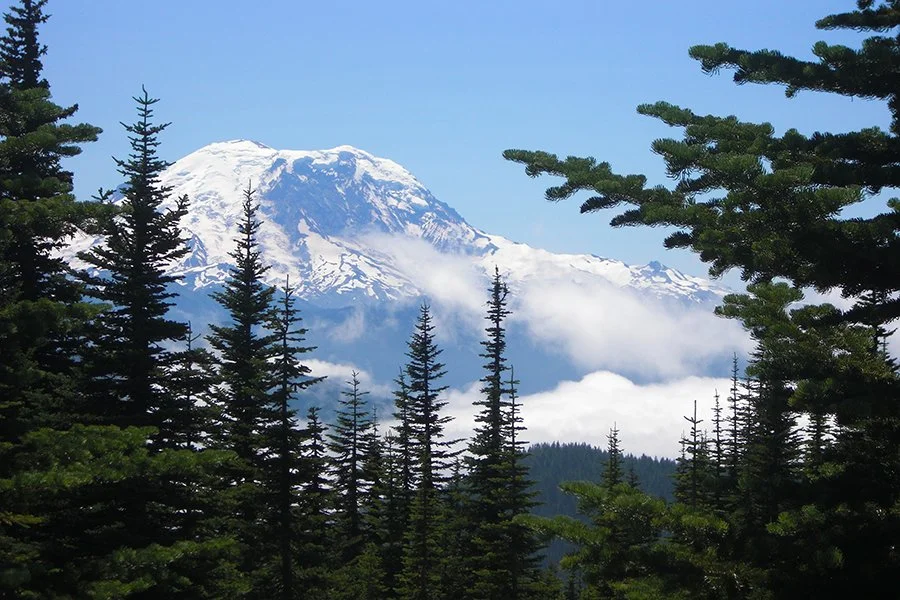
Near Seattle is a large active stratovolcano in the Pacific Northwest's Cascade Range. Mount Rainier (/reɪˈnɪər/ ray-NEER), also known as Tahoma, is located in Mount Rainier National Park about 59 miles (95 km) south-southeast of Seattle. At 14,410 feet (4,390 m), it’s the highest mountain in Washington State, the most topographically prominent one in the contiguous United States, and the tallest in the Cascade Volcanic Arc.
Besides being an impressive sight, Mount Rainier is considered one of the world's most dangerous volcanoes. It's on the Decade Volcano list due to its high probability of an eruption in the near future and its proximity to a major urban area. The large amount of glacial ice means Mount Rainier could produce massive volcanic mudslides (lahars) that could threaten the entire Puyallup River valley and other valleys draining Mount Rainier, including the Carbon, White, Nisqually, and Cowlitz (above Riffe Lake). According to the 2008 United States Geological Survey, "about 80,000 people and their homes are at risk in Mount Rainier's lahar-hazard zones."
Between 1950 and 2018, 439,460 people climbed Mount Rainier. Approximately 84 people died in mountaineering accidents on Mount Rainier between 1947 and 2018. In addition to climbing, hiking, backcountry skiing, cross-country skiing, and snowshoeing. photography and camping are popular activities in the park. Hiking trails, including the 93-mile (150 km) Wonderland Trail — a circumnavigation of the peak — provide access to the backcountry.

Music
There are many cities associated with a music scene such as Chicago for the blues or Nashville for country music. Though Jimi Hendrix and garage rockers The Sonics put Seattle and the Pacific Northwest music scene on the map, the town really became known for the Grunge and Riot Grrrl movements.
Bands like Pearl Jam, Nirvana, Soundgarden and Alice in Chains defined the sound and really promoted it to the world at least through hit singles and Coliseum-oriented tours. Originating in Seattle and Olympia, Washington, from the mid-‘80s which rose to the early 1990s, Grunge has been characterized sonically by its use of heavy guitars, lots of distortion and dissonance. Lyrically, lots of songs addressed depression, substance abuse, and self-isolation. Perhaps Seattle's often dreary weather contributed to these themes, but they also emerged as a way for local youth culture to express resistance to the conservative cultural swing at that time.
About the same time, the feminist underground punk movement known as Riot grrrl seemed to have have originated in nearby Olympia — but really grounded itself in Seattle’s cool culture. In the early '90s, bands like Bikini Kill, Bratmobile and Sleater-Kinney, performed locally at clubs attended by young people, many of whom identified with the cultural cornerstones of the Punk movement. These bands expressed a female rage aimed at American society at large and within the largely male-dominated Punk scene.
Episode 1
Wyoming
With Rode Bros having provided top-quality wood flooring, walls and beams to the ranches and private residences in Wyoming since the 1930s, it’s worth exploring the town of Jackson, home to many of Rode’s projects.
A resort town in Teton County, Wyoming, Jackson is the largest incorporated town in Wyoming. Often called Jackson Hole because that’s the name of the valley in which it is located, Jackson is a popular tourist destination due to its proximity to Jackson Hole Mountain, Snow King Mountain, and Grand Targhee Ski Resorts.
Jackson also acts as a gateway community for Grand Teton National Park, Yellowstone National Park, and the National Elk Refuge.
Yellowstone
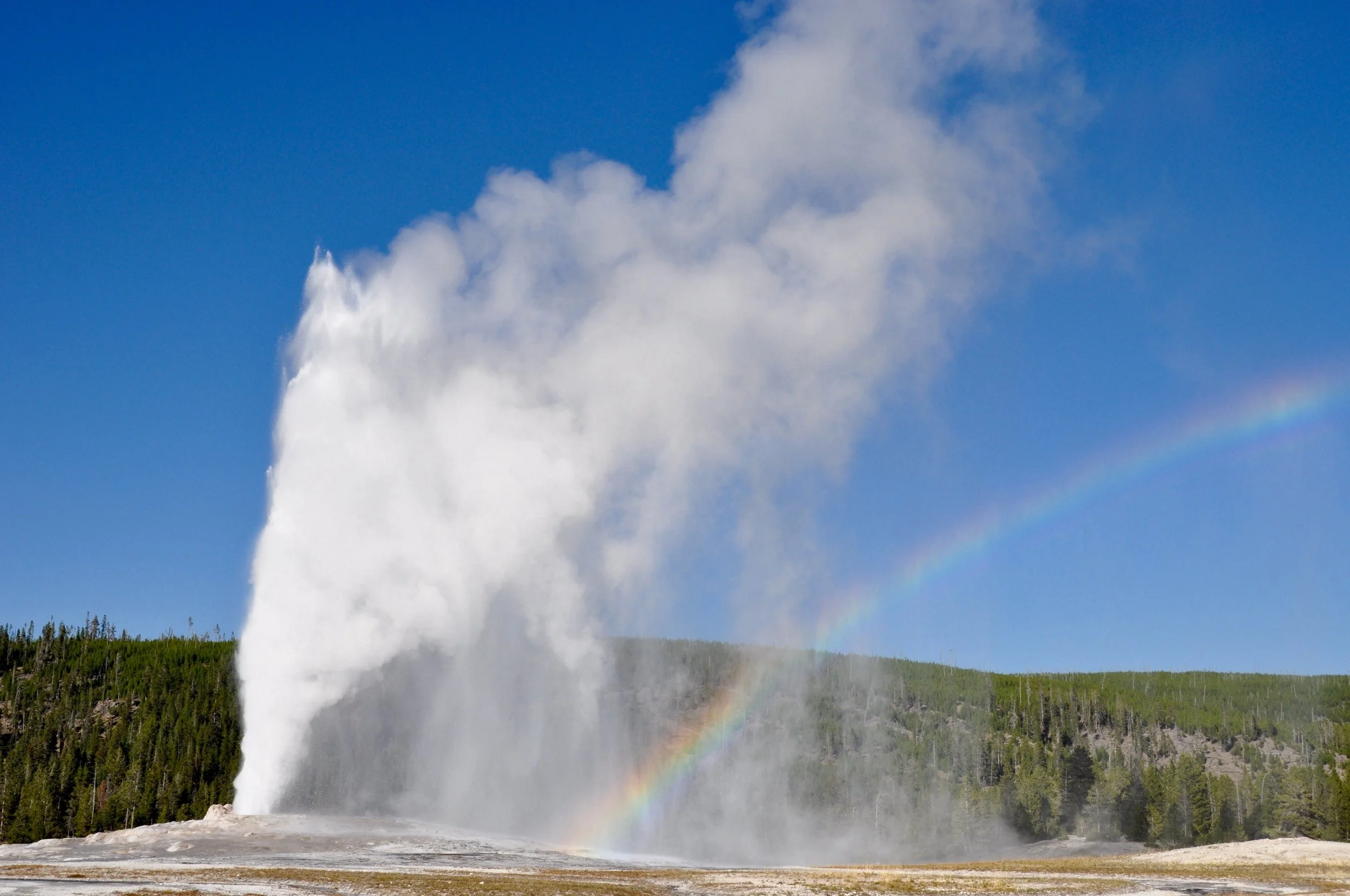
Yellowstone was the first national park in the US and is also widely understood to be the first national park in the world. The park is known for its wildlife and its many geothermal features, especially the Old Faithful geyser, one of its most popular attractions. While it represents many types of biomes, it’s part of the South Central Rockies forests ecoregion.
Originally populated by Native American tribes including the Shoshoni, Crow, Blackfeet, Bannock, and Gros Ventre, the locality became a prime area for trappers and mountain men to travel through in the early 1800s. Imagine all the many Wild West stories prompted by this region.
Among other mountain men who visited the valley include Jim Bridger, Jedediah Smith, and William Sublette, who are responsible for many of the names in the area. David Edward Jackson gave his name to the valley after a winter spent on the shores of Jackson Lake.
As part of the Hayden Expedition of 1871 and 1872, William Henry Jackson took the first photographs of the Teton Range and Yellowstone. His photographs, along with the sketches by Tom Moran, were important evidence to convince Congress to protect Yellowstone National Park which became the first National Park in 1872.
Grand Teton National Park
Grand Teton National Park was created in 1929 and greatly expanded in 1950 after John D. Rockefeller Jr. purchased and then donated over 30,000 acres.
Some of the early buildings remain and can be found throughout the area of the Town Square. Besides it’s historical significance, there are historical moments attached to the town; Jackson elected an all-woman city government (including town council and mayor, who in turn appointed women to town marshal, town clerk and treasurer) in 1920. The first ski rope tow was built at Teton Pass in 1937 and Snow King Resort was established in 1930. Teton County has three excellent ski areas including Jackson Hole Mountain Resort in Teton Village.
This is just a quick overview of the many things that make Jackson such an exciting place to visit, to live or build a second home there. And Rode Bros. can obviously assist you in whatever those decisions you make — especially if you make an extended stay In Jackson.

National Elk Refuge
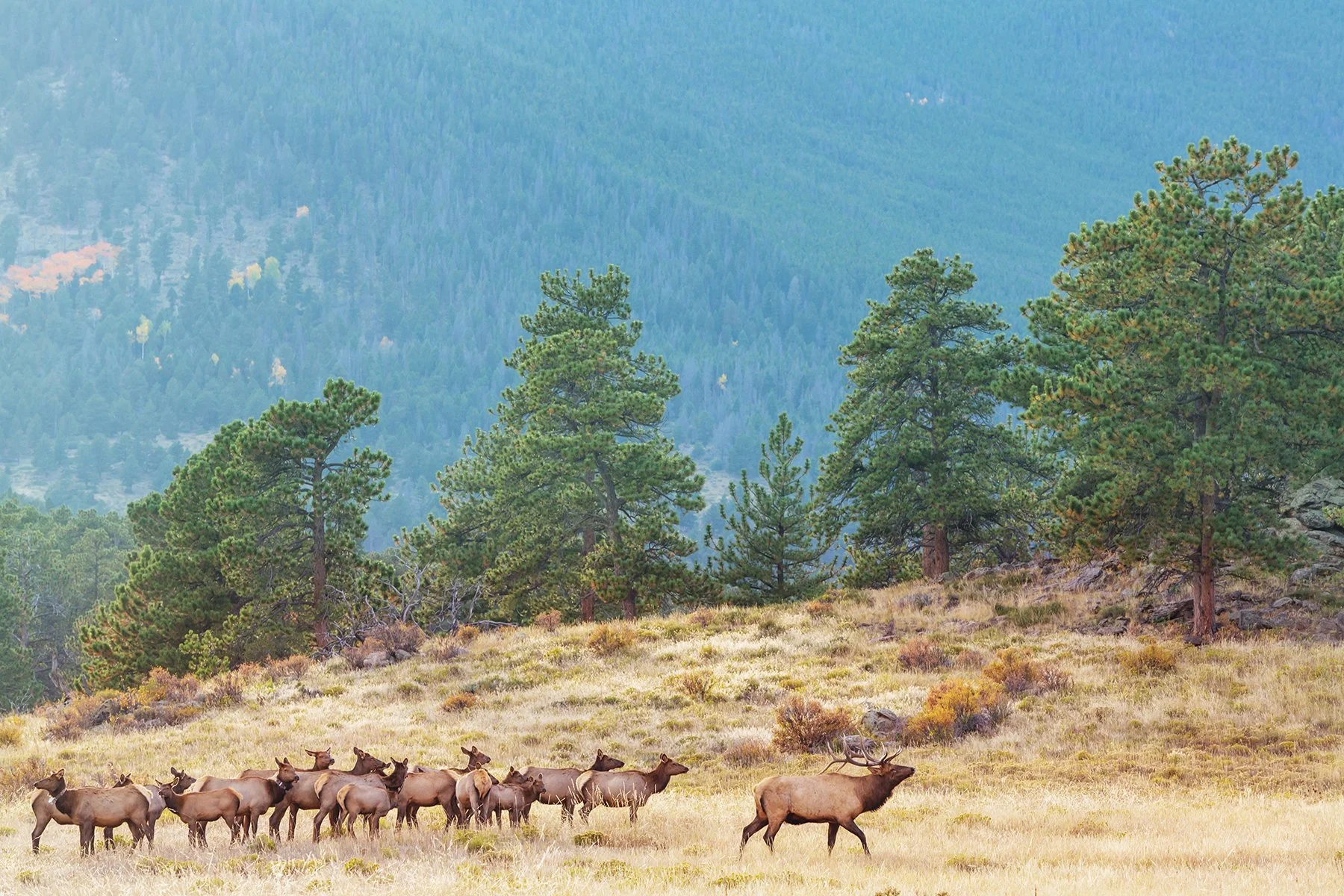
One of the great wilderness treasures situated in the Jackson area is the National Elk Refuge. Created in 1912, The refuge was established to shelter one of the largest elk herds in the country.
In close proximity to the town of Jackson, visitors can go on horse-drawn sleigh rides to view the herd during the winter to get a first-hand experience with these majestic animals.
Besides bordering Jackson on the southwest, the Bridger-Teton National Forest is on the east and the Grand Teton National Park is on the north.
With a total of 24,700 acres, the refuge is home to an average of 7,500 elk each winter. Managed by the U.S. Fish and Wildlife Service (an agency of the U.S. Department of the Interior), the area is safe from development making a town like Jackson the perfect place to live or visit in order the experience these Native American animals — which have threatened by encroachment in the past.
The refuge's elk migrate from as far away as southern Yellowstone National Park. Historically, they have migrated to the present location of the refuge and, further south, into southwestern Wyoming during the fall where they winter on grassy plains that were both sheltered from weather and were maintained with less snowfall or snow depth than the surrounding lands.
During the spring, the herd followed the retreating snows and growing grasses back into the Yellowstone National Park region. The original size of the elk herd has been estimated to have been in excess of 25,000. But, by the end of the 19th century, the town of Jackson had developed an important winter range, blocking off some of the elk’s migration routes.
The elk herd was severely reduced in size due to the hostile climate and lack of food supply. In addition, hunting pressures by both homesteaders and the surrounding Native American tribes (such as the Bannock, Eastern Shoshone, Northern Shoshone, Crow and Salish) affected its size.
A movement to protect the remaining herd and establish greater numbers started in the early 1900s. When the Miller homestead was sold for $45,000 to the federal government, the refuge was established.
Now, the elk herd survives the hard winters of Jackson Hole through a supplementary feeding program and a lottery-based, permitted-hunting program. That offers hunters a chance for a live meat kill.
Also, the elk have antlers which are shed each year. The Boy Scouts of America have been collecting them under permit since 1968 and sell them at auction. 10 to 11,000 pounds of antlers are auctioned off each year.
The 2017 auction set a new record price of $18.79 per pound. Under an agreement, 75% of the proceeds are returned to the refuge. That money is used for irrigation of the grasses to maintain maximum natural food supply.
Of course with their increase in value, there has been a commensurate rise in antler theft.
Nonetheless, saving the elk has been both a boon for the environment and conservation. The area as a whole draw in thousands of people to experience the grandeur of these animals in their natural environment. And that means tourist dollars flow into the Jackson area as well.